Introduction to Adaptogenic Roots
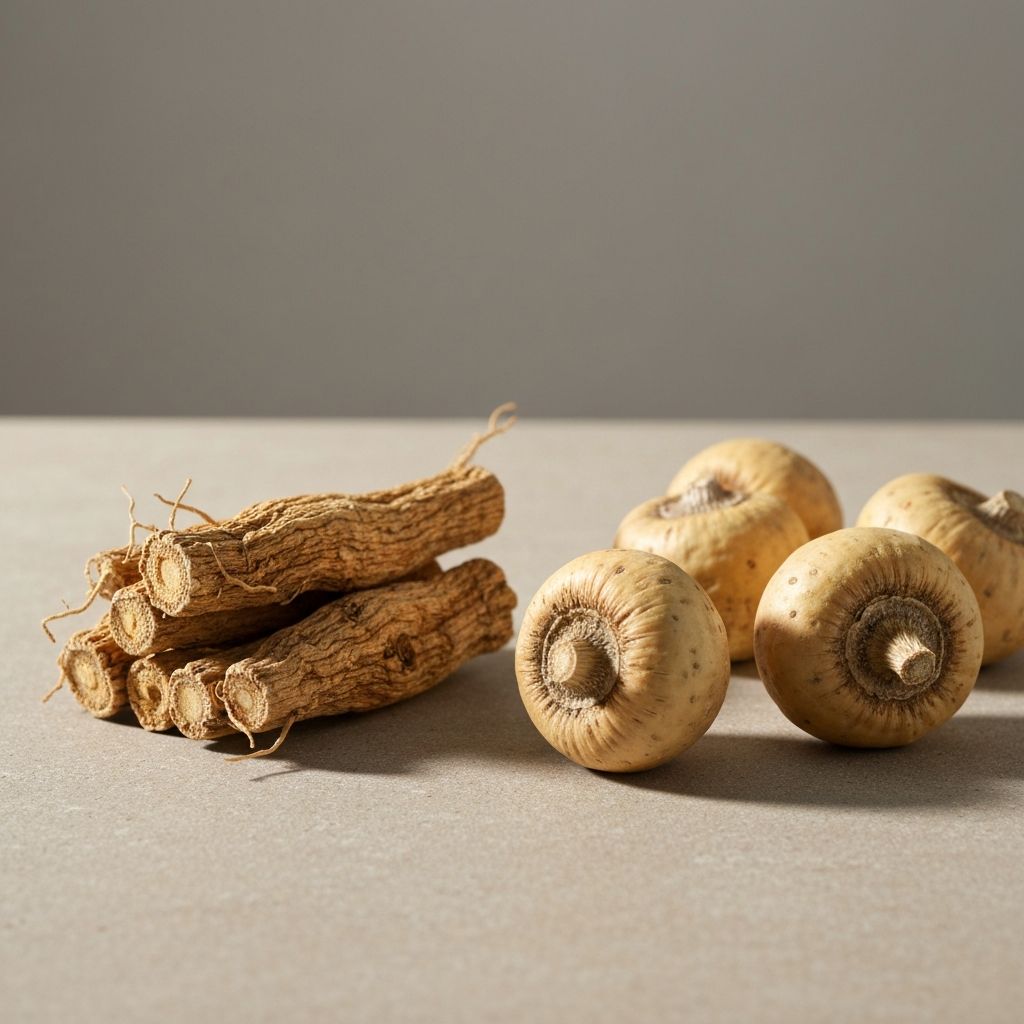
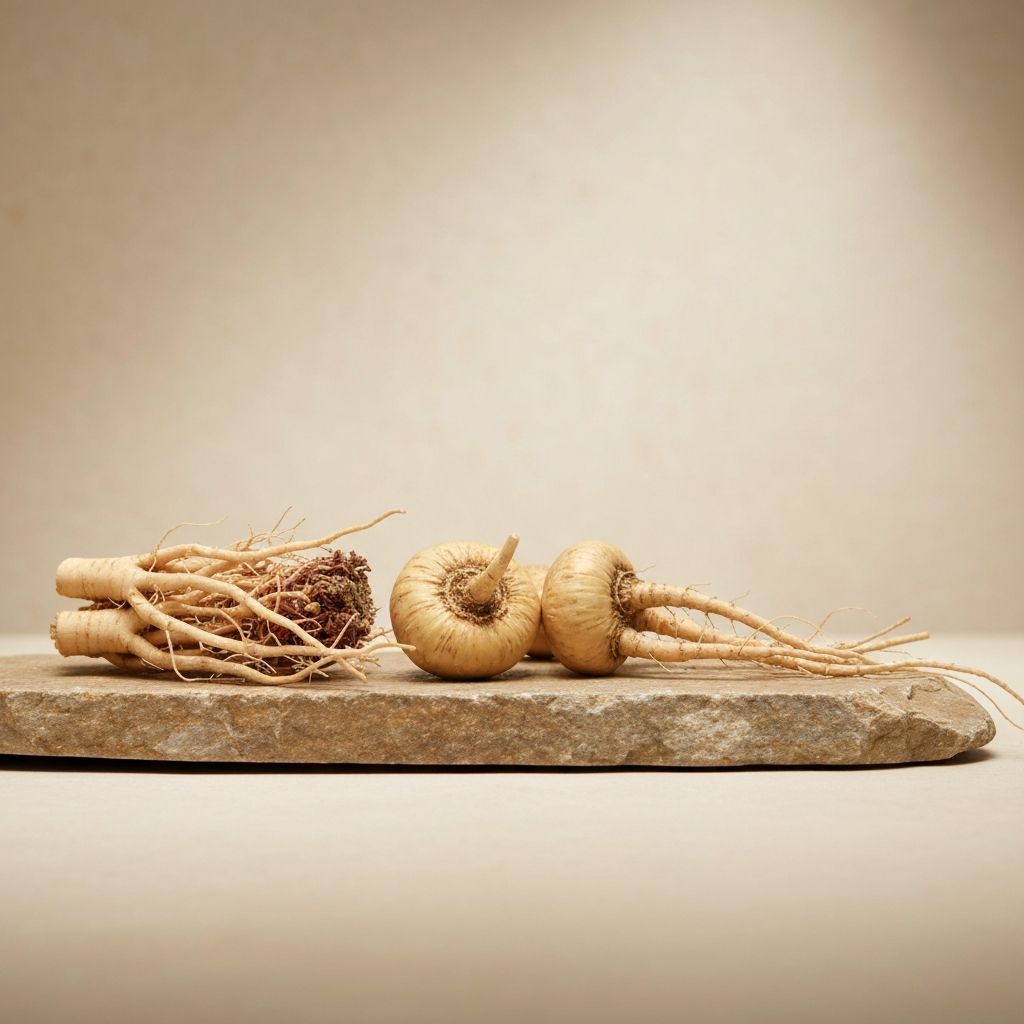
Rhodiola rosea and Lepidium meyenii, commonly known as Maca, are two distinct plants with long histories in traditional practices. Rhodiola, native to the mountainous regions of Siberia and Russia, has been studied for its role in supporting mental resilience. Maca, originating from the high-altitude plateaus of the Andes in Peru, carries a rich history in traditional Andean culture.
These botanical specimens contain diverse phytochemical compounds that have attracted scientific interest. This resource presents factual, educational information about these plants, including their composition, traditional contexts, and published research summaries without making medical claims or recommendations.
Educational content only. No promises of outcomes.
Historical Use Overview
Siberian and Russian Tradition
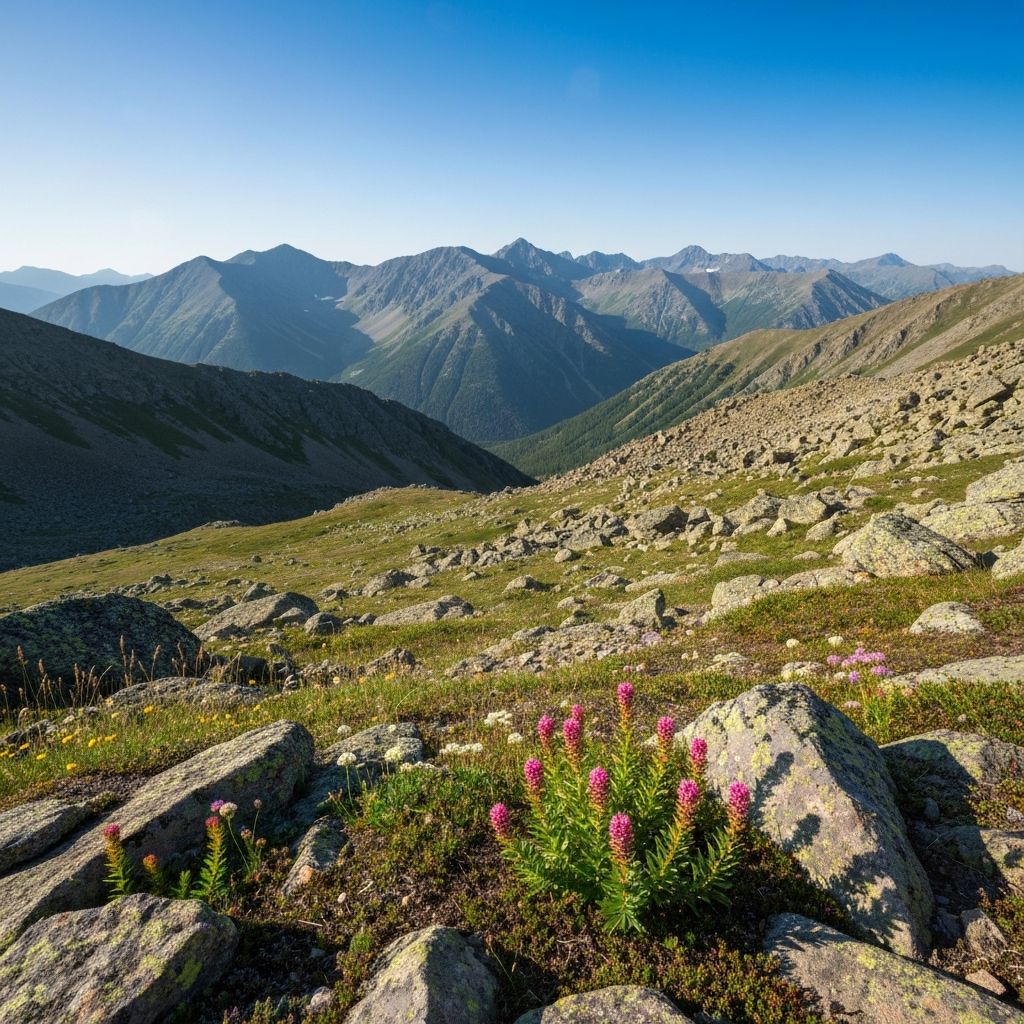
Rhodiola rosea has been referenced in traditional Siberian and Russian practices for centuries. Historical accounts describe its use in folklore contexts related to general wellness and traditional preparation methods. The plant grows naturally in harsh, high-altitude rocky terrain, which contributed to its cultural significance in regions where it thrived.
Andean Cultural Context
Maca has been cultivated in the Andean highlands of Peru for thousands of years. Archaeological evidence suggests its use in traditional Andean societies dates back centuries. The plant was valued in traditional food contexts and ceremonial applications within these cultures, reflecting its significance in the region's heritage.
Modern Research Era
Beginning in the 20th century, both plants attracted scientific attention. Researchers began documenting the phytochemical profiles of Rhodiola and Maca, leading to published studies exploring their composition and potential applications. This shift from folklore to scientific examination marks the beginning of evidence-based understanding.
Phytochemical Comparison
| Phytochemical | Rhodiola Rosea | Maca (Lepidium meyenii) |
|---|---|---|
| Salidroside | Primary active compound (1-3%) | Not present |
| Rosavin | Key constituent (0.3-1%) | Not present |
| Glucosinolates | Minimal amounts | Significant levels (0.1-0.6%) |
| Alkaloids | Low concentrations | Present in moderate amounts |
| Amino Acids | Present | Comprehensive amino acid profile (arginine, lysine, others) |
| Vitamins & Minerals | Trace amounts | B vitamins, magnesium, zinc, iron |
Research Summary Section
Rhodiola Rosea: Adaptogenic Properties in Published Literature
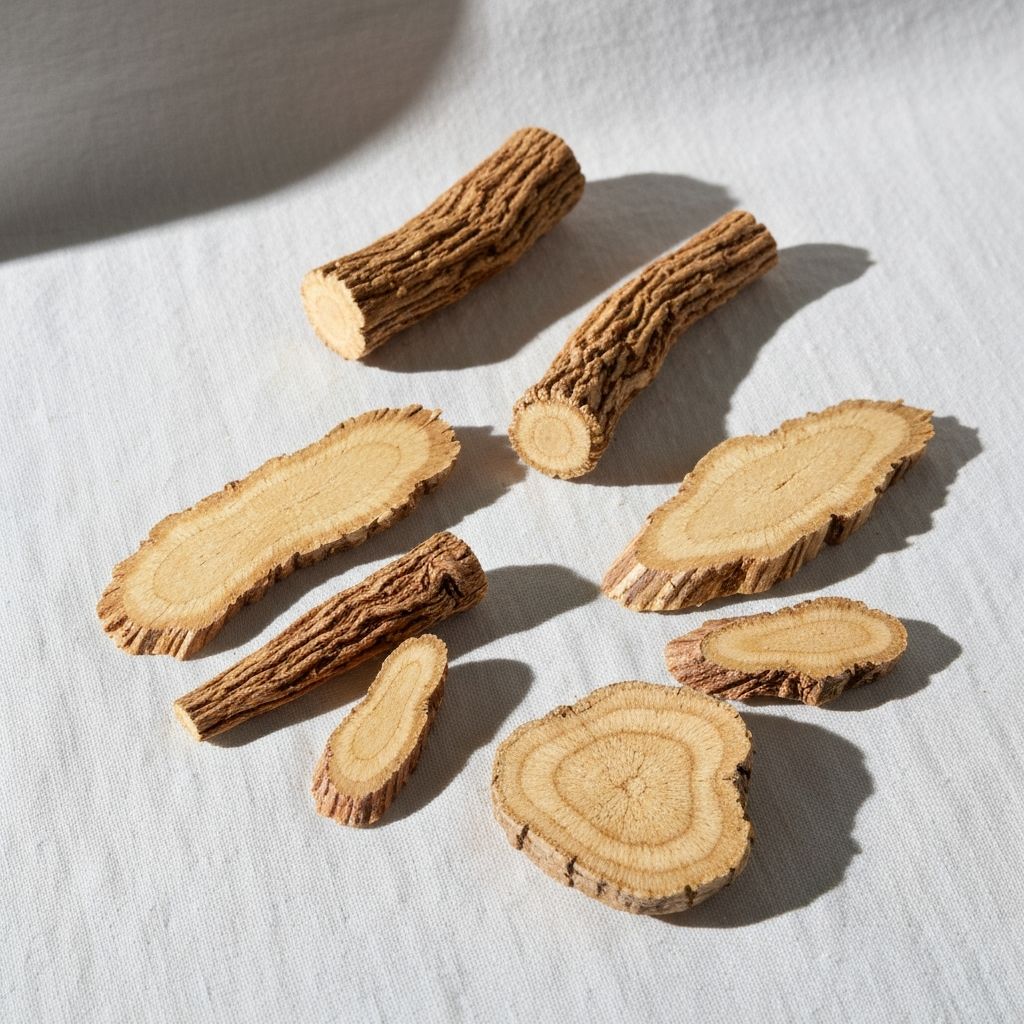
Published research has examined salidroside and rosavin, the primary phytochemical constituents of Rhodiola rosea. Multiple studies in peer-reviewed journals have explored the role of these compounds in supporting normal stress response patterns. Research literature describes adaptogenic mechanisms related to plant compounds and their interaction with metabolic pathways.
Representative studies include investigations published in journals such as Phytomedicine and the Journal of Ethnopharmacology, examining in vitro and animal models of adaptogenic function.
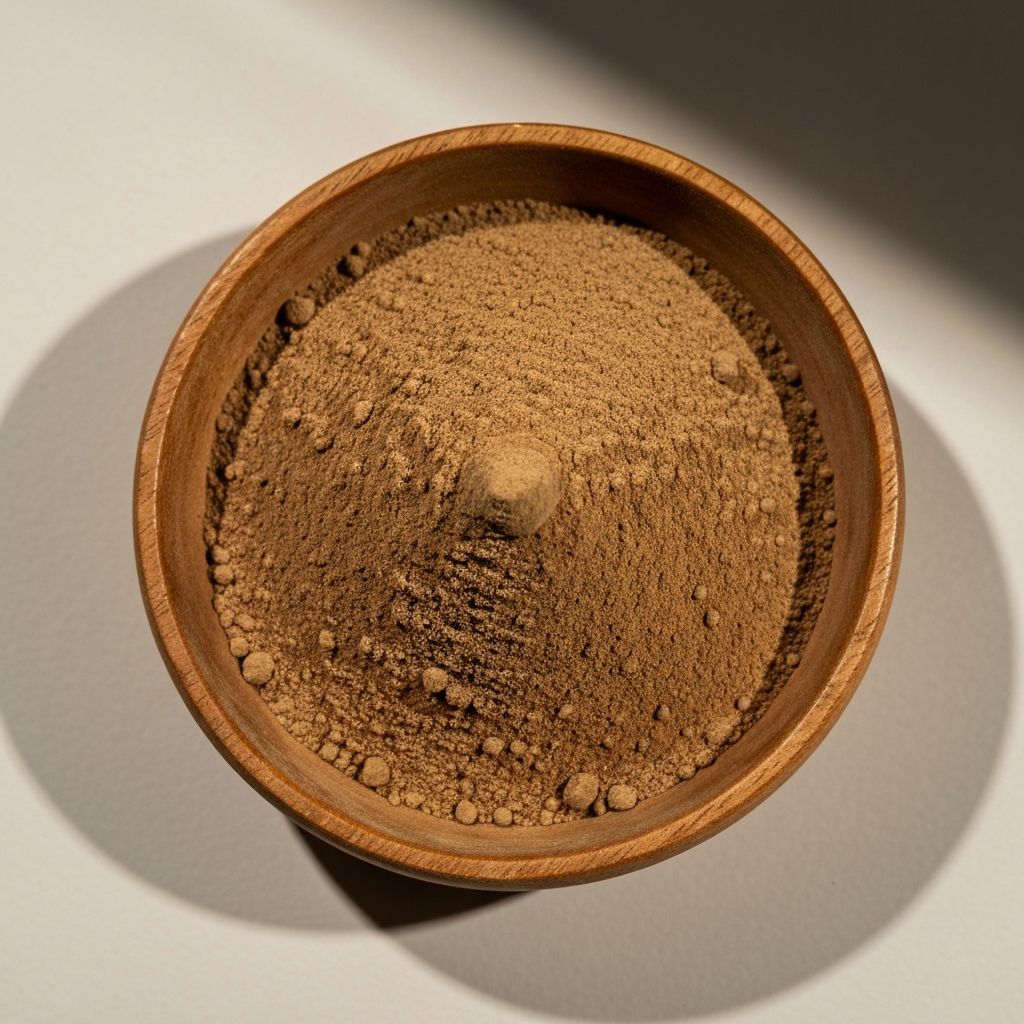
Maca Root: Phytochemical Profile and Traditional Context
Maca contains a diverse array of glucosinolates, alkaloids, and amino acids. Research literature has documented the plant's nutritional composition and explored potential mechanisms of action for various phytochemical compounds. Studies describe the historical use context within Andean traditions and contemporary research approaches examining the plant's constituents.
Published research in journals including Nutrients and the Journal of Medicinal Food have examined Maca's composition and potential roles in supporting general wellness markers.
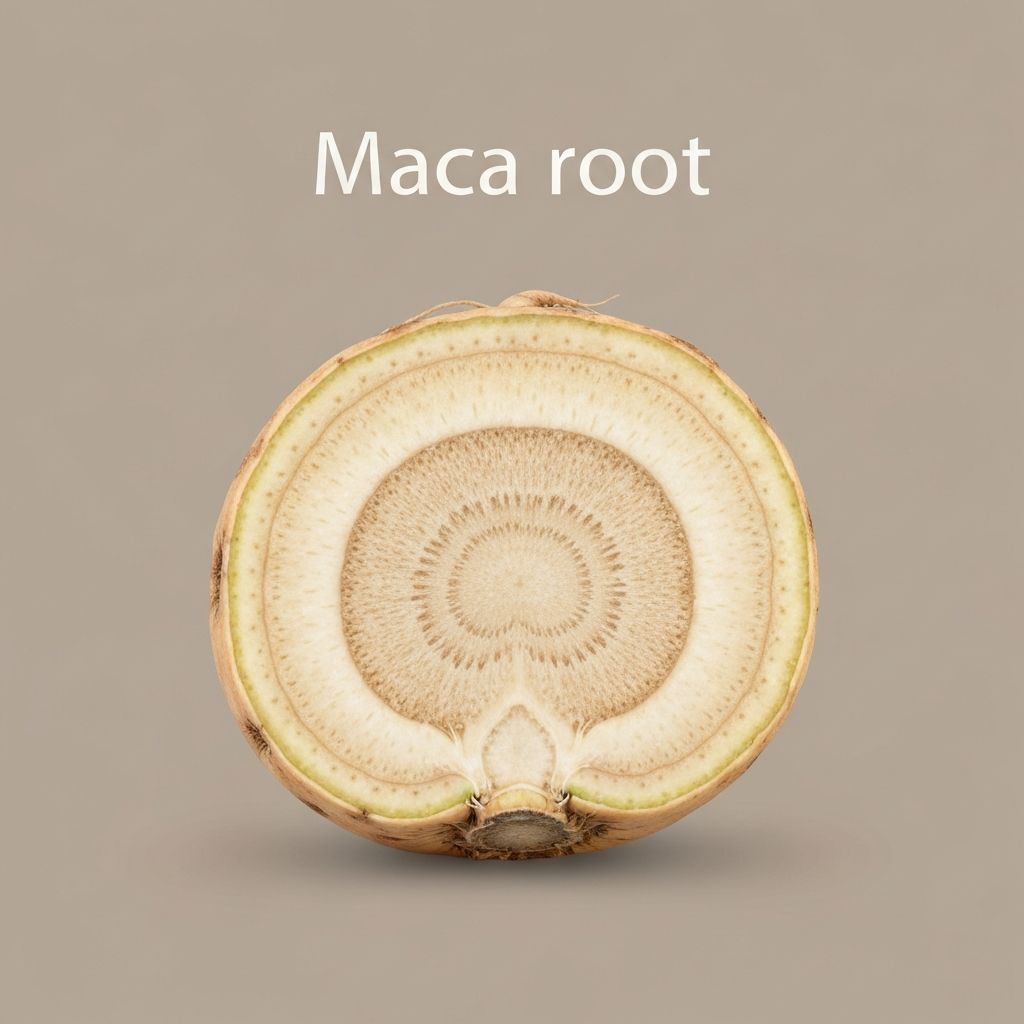
Comparative Phytochemical Function: A Research Perspective
While Rhodiola and Maca share classification as adaptogenic plants within folklore traditions, their phytochemical profiles are distinctly different. Research literature suggests different metabolic pathways may be implicated for each plant. Understanding these differences helps contextualize why historical uses varied by culture and geography.
Comparative analyses in botanical research journals have documented the structural and functional differences between salidroside-based and glucosinolate-based phytochemical systems.
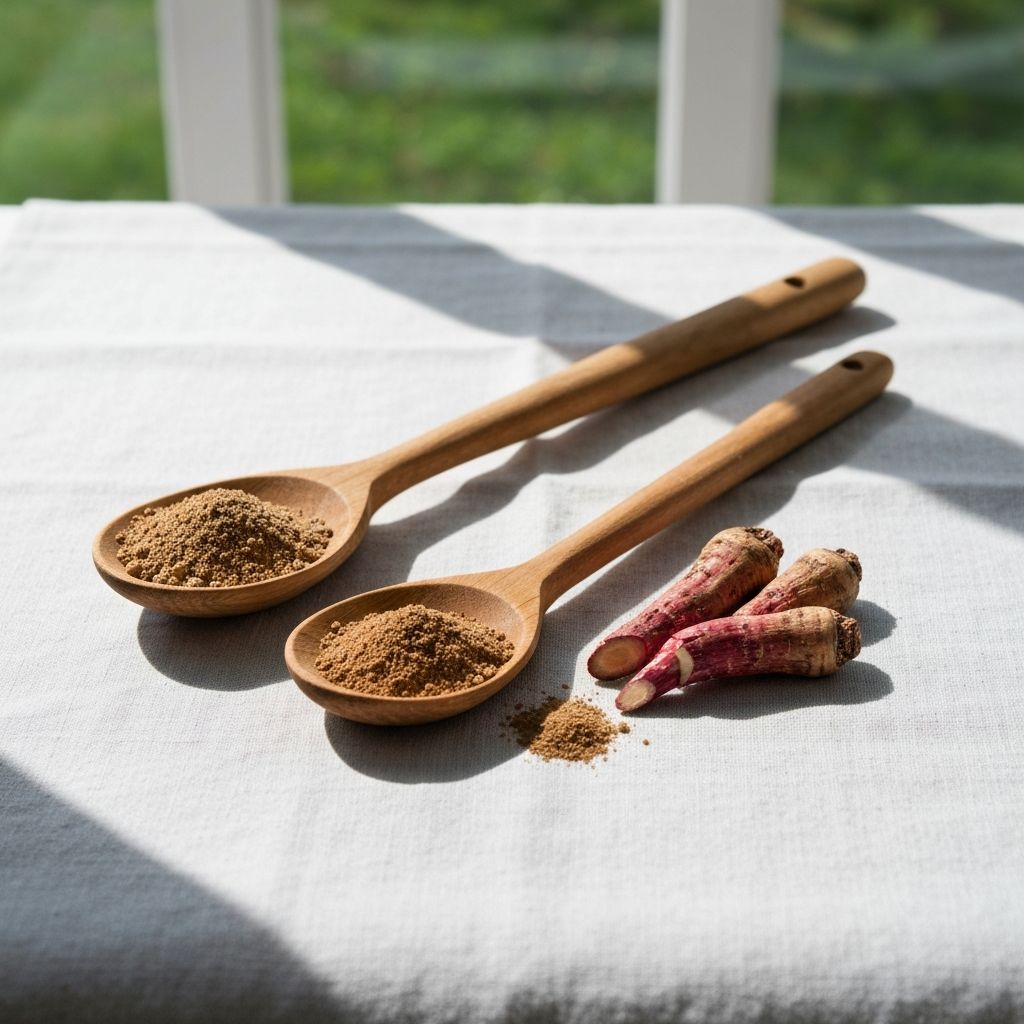
Traditional Preparation Methods
Historical records describe various traditional preparation approaches used in Siberian, Russian, and Andean cultures:
- Decoction Method: Traditionally, roots were simmered in water for extended periods, creating a concentrated botanical extract used in daily practice
- Drying and Powdering: Both plants were dried following harvest and ground into fine powders, which were incorporated into traditional foods and beverages
- Root Chewing: In Andean regions, fresh or dried Maca root was traditionally consumed directly as a food staple
- Fermentation: Some historical practices involved fermentation processes to enhance extraction of phytochemical compounds
- Tincture Creation: Botanical material was traditionally steeped in alcohol-based solutions for extended periods to create concentrated preparations
Modern processing techniques mirror these traditional approaches, though with standardized quality controls and consistency measures.
Nutrient Profile Breakdown
Rhodiola Rosea Key Constituents
- Salidroside (1-3% of dried root)
- Rosavin complex (0.3-1%)
- Tyrosol
- Flavonoids
- Phenolic acids
- Carbohydrates and polysaccharides
- Trace minerals (potassium, calcium, magnesium)
Maca (Lepidium meyenii) Key Constituents
- Glucosinolates (0.1-0.6%)
- Alkaloids
- Amino acids (arginine, lysine, histidine, leucine)
- Vitamin B1, B2, B6, B12
- Minerals (zinc, iron, magnesium, copper)
- Fatty acids and lipids
- Carbohydrates and fiber
Environmental Growing Conditions
Rhodiola Rosea: Alpine and Subarctic Regions
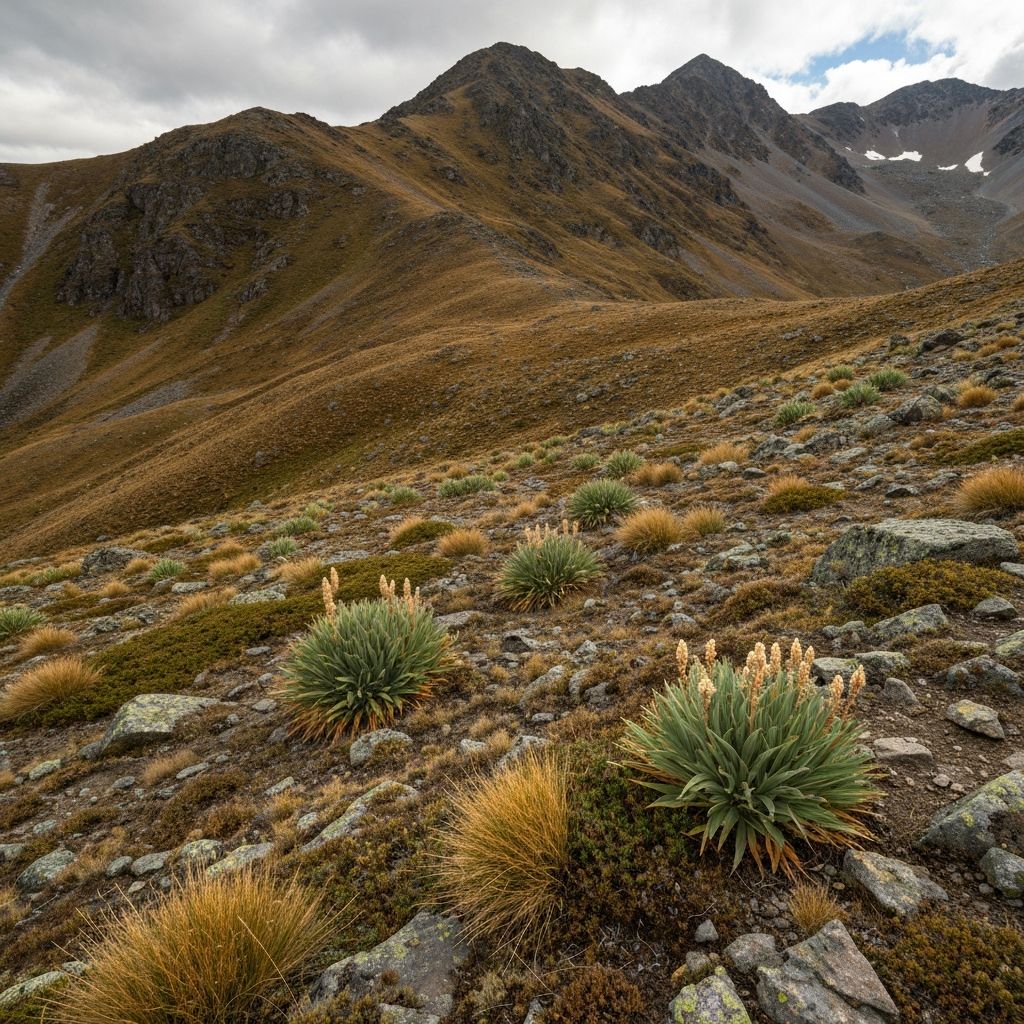
Rhodiola rosea thrives in cold, high-altitude mountainous terrain. The plant grows naturally in the rocky highlands of Siberia, Russia, Scandinavia, and alpine regions of central Asia. It prefers well-drained soil with rocky composition and cool temperatures. Altitudes range from 1,500 to 3,000 meters in its native habitats. The plant has adapted to short growing seasons and intense UV exposure in these environments.
Maca: High-Altitude Andean Plateaus
Maca is cultivated exclusively in the high Andes of Peru, specifically in regions at 3,500 to 4,000 meters elevation. The plant requires cool temperatures, moderate rainfall, and well-drained soil. It grows in the inter-Andean valleys where temperatures remain relatively stable year-round despite high altitude. The unique environmental conditions of this region are considered essential for optimal Maca cultivation and phytochemical development.
Frequently Asked Questions
Rhodiola rosea is a perennial plant native to the mountainous regions of Siberia, Russia, and northern Europe. It has been referenced in traditional practices for centuries. The plant is classified botanically as an adaptogenic plant and contains unique phytochemical compounds including salidroside and rosavin. Today, Rhodiola is studied in research contexts for its phytochemical composition and potential mechanisms of action.
Maca (Lepidium meyenii) is a root vegetable native exclusively to the high Andean plateaus of Peru. It has been cultivated in this region for thousands of years and remains a staple crop in traditional Andean agriculture. The plant thrives at extreme altitudes (3,500-4,000 meters) and requires the unique environmental conditions of this region to develop its characteristic phytochemical profile. Maca comes in several varieties distinguished by root color: yellow, red, and black.
No, Rhodiola rosea and Maca are completely different plants from different families and regions. Rhodiola (family Crassulaceae) is native to Siberia and northern Europe, while Maca (family Brassicaceae) originates from Peru. They have different phytochemical compositions, different growing requirements, and different historical cultural contexts. The primary similarity is their shared classification as adaptogenic plants within botanical folklore.
An adaptogenic plant is a botanical classification referring to plants that are traditionally believed to support the body's general adaptation to stress and support normal stress response patterns. The term originates from traditional medicine systems and folklore. In modern botanical research, the mechanisms of action for adaptogenic plants are studied through examination of their phytochemical constituents and potential biochemical pathways. This is a traditional botanical classification, not a medical diagnosis.
Yes, both Rhodiola rosea and Maca have been subjects of published scientific research. Peer-reviewed journals including Phytomedicine, Journal of Ethnopharmacology, Nutrients, and the Journal of Medicinal Food have published studies examining their phytochemical composition, potential mechanisms, and historical contexts. Research summaries and citations are available throughout this resource. This educational content presents factual summaries of published literature without making medical claims.
Both plants have historically been prepared using various traditional methods including decoction (simmering in water), drying and powdering, fermentation, and tincture creation. Traditional Andean cultures consumed Maca as a food staple, either fresh or dried. In Siberian and Russian traditions, Rhodiola was typically prepared as a decoction or dried powder. Modern processing techniques are based on these traditional approaches but include standardized quality controls.
Related Plant Compounds and Adaptogenic Context
Rhodiola and Maca are part of a broader category of plants studied in botanical and traditional medicine contexts. Understanding other plants in this category provides additional educational context:
Ashwagandha
A plant from traditional Ayurvedic medicine systems, studied for its withanolides and potential adaptogenic properties. Native to India, it has been documented in traditional wellness contexts for centuries.
Ginseng
Multiple species exist including Asian ginseng and American ginseng, both studied for their ginsenoside compounds. These plants feature prominently in traditional Asian medicine and contemporary wellness literature.
Cordyceps
A fungal organism traditionally used in Chinese medicine, studied for its potential role in supporting energy metabolism and athletic performance contexts within traditional wellness frameworks.
Limitations and Context: Essential Information
Educational content only. No promises of outcomes.
This website provides general educational information about Rhodiola rosea and Maca root. It is not a substitute for professional medical advice, diagnosis, or treatment.
The information presented here describes botanical characteristics, traditional cultural contexts, and summaries of published scientific research. It does not constitute medical recommendations, treatment protocols, or health guidance.
Individual responses to any plant or botanical substance vary significantly based on genetics, current health status, medications, and other personal factors. This resource does not provide personalized recommendations.
If you are considering any changes to your wellness routine, taking medications, pregnant, nursing, or have existing health conditions, consult a qualified healthcare practitioner before making any decisions.